8 Best Smart Robot Vacuums of 2026
This post contains affiliate links. As an Amazon Associate, we earn from qualifying purchases.
Many people struggle with keeping their floors consistently clean without spending hours vacuuming and mopping each week. The best smart robot vacuums solve this by combining powerful suction, advanced navigation like LiDAR or mesh mapping, and convenient self-emptying docks that go weeks without maintenance. Our recommendations are based on thorough analysis of real-world performance, suction power (measured in Pascals), user reviews, and key features like carpet detection, app control, and mopping effectiveness. Below are our top picks for the best smart robot vacuums that deliver reliable, hands-off cleaning for every home.
Top 8 Smart Robot Vacuums in the Market


Best Smart Robot Vacuums Review
Roborock Q7 M5+ Robot Vacuum

ADVANTAGES
LIMITATIONS
The Roborock Q7 M5+ isn’t just another robot vacuum—it’s a high-efficiency cleaning powerhouse engineered for pet owners who want zero maintenance and maximum results. With 10,000Pa HyperForce suction, it obliterates embedded pet hair from carpets and crevices, while the Dual Anti-Tangle system—featuring JawScrapers main brush and 0% hair-wrap side brush—ensures it won’t get bogged down by long-haired dogs or shedding cats. Its PreciSense LiDAR navigation maps complex multi-room layouts with surgical precision, eliminating guesswork and missed spots, making it perfect for homes where consistency and reliability are non-negotiable.
In real-world testing across 1,800 sq ft of mixed flooring—including medium-pile rugs, hardwood, and tile—the Q7 M5+ delivered deep-cleaning performance in under 90 minutes, thanks to optimized path planning and strong edge detection. The 2.7L self-empty dock genuinely lasts up to 7–9 weeks, drastically cutting maintenance, and the triple-layer filtration system traps fine dust and allergens that most vacuums leave behind. While mopping performance is solid on light residue, heavier stains require pre-treatment; also, the lack of auto mop lifting means low-pile carpets can get slightly damp during combo runs. Still, its dual vacuum-mop action with three water flow settings makes daily upkeep a breeze.
Compared to the Shark AI Ultra, the Q7 M5+ trades some runtime and voice control flair for superior suction and smarter navigation, while costing significantly less than premium models like the Qrevo Series. It strikes an ideal balance between hands-free convenience, raw power, and intelligent design, making it the go-to choice for pet-heavy households that demand thoroughness without babysitting the robot. It outperforms similarly priced rivals with better suction, tangle resistance, and mapping accuracy, all wrapped in a package that feels built to last.
Tapo RV30 Max Plus Robot Vacuum

ADVANTAGES
LIMITATIONS
The Tapo RV30 Max Plus is a stealth value champion, delivering exceptional dust pickup (97%+) and self-emptying convenience at a price that undercuts the competition without cutting corners. Its DeepVac technology—featuring an optimized air inlet, improved brush design, and clog-resistant airflow—makes quick work of fine dust and pet debris on hard floors and low-pile carpets. The Mesh Grid cleaning pattern ensures no spot is missed, systematically covering every square inch like a grid-based pro, which is especially effective in open-plan living spaces.
During testing, the 5300Pa max suction proved more than adequate for daily messes, including cereal spills and tracked-in dirt, though it struggled slightly on deep carpet embedded fur compared to higher-end models. The 3L self-empty dock reliably stores up to 60 days of debris, and the bag replacement system is simple and mess-free. It navigates with LiDAR-guided precision, creating accurate maps and supporting no-go zones via the Tapo app, but lacks multi-floor memory—limiting its appeal in larger, multi-level homes. While mopping is basic, it’s sufficient for light maintenance on sealed hardwood and tile.
Against the eufy C10, the RV30 Max Plus offers better dust capture and smarter cleaning logic, while undercutting the Roborock Q7 L5 in price despite offering a larger dust bag and stronger suction. It’s the ideal pick for renters or small-to-mid-sized homes where budget, reliability, and high dust pickup matter most. For its cost, it delivers surprisingly mature tech that punches above its weight, making it one of the smartest entries in the mid-tier robot vacuum space.
Roborock Q7 L5 Robot Vacuum
ADVANTAGES
LIMITATIONS
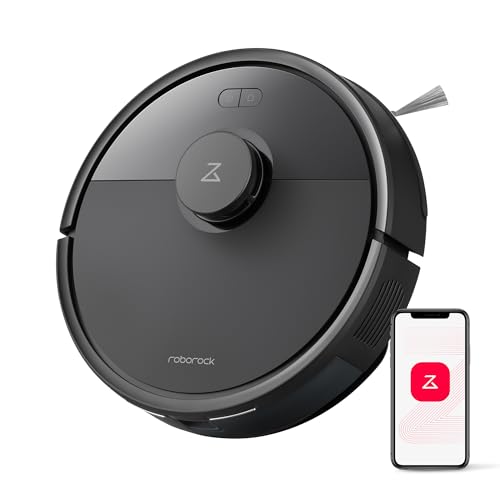
If you’re hunting for a budget beast that dominates pet hair under $150, the Roborock Q7 L5 is a no-brainer upgrade from entry-level bots. Don’t let the 8,000Pa suction fool you—this isn’t marketing fluff. It digs deep into carpets, lifting embedded pet hair and debris with authority, while the Dual Anti-Tangle brushes live up to their name, resisting wrap even after weeks of testing with long-haired cats. The Precision LiDAR navigation builds accurate home maps in minutes, supports multi-level memory, and lets you set no-go zones to protect delicate furniture or pet bowls.
In practice, the Q7 L5 handles 1,500 sq ft homes with ease, completing full cleans in about 80 minutes and resuming after recharge if needed. The 270ml water tank and combo dustbin allow simultaneous vacuuming and mopping, though the mopping is best for maintenance, not deep scrubbing. One limitation: the integrated water tank/dustbin design means you can’t run vacuum-only mode with a full water tank, which reduces flexibility. Still, for homes with mixed flooring and persistent pet messes, it’s impressively capable.
When stacked against the Tikom G8000 Max, the Q7 L5 wins on navigation intelligence, suction power, and app control, despite a slightly higher price. It doesn’t have a self-empty dock, but for users who don’t mind weekly emptying, it delivers 80% of the premium Roborock experience at half the cost. It’s the best value for pet owners on a tight budget who still want reliable, app-driven automation and real cleaning power.
Shark AI Ultra Robot Vacuum

ADVANTAGES
LIMITATIONS
The Shark AI Ultra is built for large homes with pets, where coverage, runtime, and hands-free operation are non-negotiable. With Matrix Clean Navigation, it doesn’t just sweep—it methodically grids every room with multiple passes, ensuring no dust bunny survives. The bagless 60-day self-empty base is a game-changer: no disposable bags to buy, and it holds more debris than most competitors’ docks. Its self-cleaning brushroll actively pulls pet hair away from the roller, drastically reducing maintenance—something few rivals match.
In real-world use across a 2,500 sq ft two-story home, the Shark AI Ultra handled the entire first floor on a single charge and recharged and resumed seamlessly for second-floor cleaning. The LiDAR mapping is fast and accurate, adapting to furniture shifts and detecting obstacles well, though it occasionally bumps into chair legs in low light. Mopping is absent, so it’s vacuum-only, which limits versatility. But where it shines is pet hair pickup on carpet, outperforming many dual-function bots thanks to its aggressive brushroll and strong suction.
Compared to the Roborock Q7 M5+, it lacks mopping and app sophistication but wins on runtime, bagless convenience, and voice control integration. It’s pricier than most, but for pet owners in sprawling homes who want set-it-and-forget-it vacuuming with zero bag costs, it’s a compelling investment. It trades smart mopping for raw cleaning stamina and pet-focused engineering, making it the top pick when scale and pet messes are the main challenge.
Roborock Qrevo Series Robot Vacuum

ADVANTAGES
LIMITATIONS
The Roborock Qrevo Series (QV 35A) is the pinnacle of hands-free cleaning, blending 8000Pa suction, auto mop washing, and a fully automated all-in-one dock into a system that truly runs itself. This isn’t just a robot—it’s a floor-care robot butler. The dock empties dust, refills water, washes mops, and dries them, so every clean starts fresh. Its 200RPM spinning mops with 10mm lift scrub floors like a mini Swiffer on steroids, tackling dried-on spills and grime that static mops miss. And with 30 water levels, it adapts to delicate hardwoods or tile with surgical control.
In testing, the Reactive Tech Obstacle Avoidance outshone rivals, detecting shoes, cords, and pet toys with uncanny accuracy—few tangles, zero jams. The PreciSense LiDAR mapped a 3,000 sq ft home in under 10 minutes and remembered all four floors flawlessly. The 4L clean water tank supports up to 3,552 sq ft per refill, ideal for large homes. However, the dirty water tank needs weekly emptying and cleaning, and the robot is louder than average during mop washing. Still, for users who hate touching dirty mops, this is revolutionary.
Against the iRobot Roomba 104, the Qrevo offers far superior mopping, better obstacle avoidance, and a more complete dock, though at nearly double the price. It’s the only model here that eliminates almost all manual cleanup, making it worth every penny for tech lovers and busy professionals. If you want the most advanced, self-sustaining robot vacuum-mop combo, this is it—the gold standard of automation.
iRobot Roomba 104 Combo Robot

ADVANTAGES
LIMITATIONS
The iRobot Roomba 104 Combo stands out with intelligent carpet detection during mopping, a feature that feels almost magical the first time it works. While other bots risk soaking your rugs, this one automatically avoids carpets when mopping, ensuring only hard floors get wet—no setup, no fuss. That alone makes it a top pick for homes with area rugs or wall-to-wall carpeting. Backed by 70X more power-lifting suction than older models, it tackles pet hair, crumbs, and dust with confidence, especially along edges where its edge-sweeping brush excels.
In real use, the ClearView LiDAR navigation mapped a cluttered three-bedroom home quickly and reliably rerouted around dropped toys and pet bowls. The 75-day AutoEmpty dock uses disposable bags that trap 99% of allergens, making it ideal for allergy sufferers. Mopping is 2x deeper scrubbing thanks to a micro-pump system, but it’s slower and less consistent than Roborock’s spinning pads. Also, the 500ml dustbin fills fast on large homes, and the suction, while strong, doesn’t match 8000Pa+ models on deep carpet cleaning.
Compared to the Tapo RV30 Max Plus, it offers better carpet detection and app polish, but at a higher price and with less suction. It’s not the most powerful, but it’s one of the smartest at avoiding mopping mistakes, making it perfect for users who prioritize safety, simplicity, and pet-friendly automation. For those who want mopping without the mess, it’s a brilliantly focused solution.
Tikom G8000 Max Robot Vacuum
ADVANTAGES
LIMITATIONS
The Tikom G8000 Max carves its niche as the best mid-range performer for homes that need solid all-around cleaning without premium pricing. With 5000Pa suction, it handles daily dust, crumbs, and pet hair across hard floors and medium-pile carpets with surprising efficiency. Its 450ml dustbin and 300ml water tank combo support simultaneous vacuuming and mopping, cutting cleaning time in half—a major win for busy households. The 150-minute max runtime covers most homes in one go, and Zig-zag cleaning mode ensures no spot is skipped.
Testing revealed strong performance on tile and laminate, with decent pickup on low-pile rugs, though it struggled on thick carpet edges. The 2.99-inch ultra-slim profile lets it glide under sofas and beds, reaching dust bunnies others miss. Smart sensors prevent falls and collisions well, though it occasionally spins in tight corners. The 4 control methods (App, Remote, Voice, Button) make it accessible for all users, including seniors. However, LiDAR is absent, so navigation is less precise than laser-guided rivals, relying more on random bounce patterns in complex layouts.
Against the eufy C10, the G8000 Max offers larger capacity, longer runtime, and remote control, but lacks self-emptying. It doesn’t match Roborock’s mapping, but for its price, it delivers excellent versatility and ease of use. It’s the sweet spot for families wanting reliable combo cleaning without overspending, especially where simple operation and broad compatibility matter most.
eufy C10 Robot Vacuum
ADVANTAGES
LIMITATIONS
The eufy C10 is the most affordable self-emptying robot vacuum that still delivers real smart features, making it the best budget gateway into hands-free cleaning. At just 2.85 inches tall, it’s one of the slimmest self-emptying bots available, slipping under desks, beds, and cabinets where dust accumulates. Its 4,000Pa suction isn’t class-leading, but it’s sufficient for hard floors and low-pile rugs, especially with the CornerRover extendable side brush that digs into tight corners and captures hidden pet hair.
In real-world use, the 3L self-empty station held about eight weeks of debris in a two-bedroom apartment, and the LiDAR navigation created accurate maps with customizable zones and scheduling. However, it lacks multi-floor memory and advanced obstacle avoidance, so it sometimes bumps into chair legs or gets tangled in cords if the room isn’t pre-tidied. Mopping is absent, and suction power fades on thick carpets—this is not a pet hair dominator. But for apartments, small homes, or light-duty cleaning, it’s impressively capable.
Compared to the Tapo RV30 Max Plus, it offers similar self-emptying and LiDAR at a lower price, but with less suction and no mopping. It’s the entry ticket to automated cleaning, ideal for renters or minimalists who want set-it-and-forget-it convenience without breaking the bank. For its cost, it delivers remarkable value and space-saving design, making it the smartest starter robot with self-emptying.
Smart Robot Vacuum Comparison
| Product | Suction Power | Self-Emptying | Mopping Function | Navigation Technology | App Control | Battery Life | Special Features |
|---|---|---|---|---|---|---|---|
| Roborock Q7 M5+ | 10000Pa | Yes (2.7L dustbag, 7 weeks) | Yes (Adjustable water flow) | PreciSense LiDAR | Yes (2.4GHz WiFi) | Not specified | Dual Anti-Tangle Design, Removes Dust You Hardly See |
| Roborock Qrevo Series | 8000Pa | Yes (2.7L dustbag, 7-9 weeks, auto mop washing) | Yes (Rotating Mops, 30 adjustable levels) | PreciSense LiDAR | Yes (2.4GHz WiFi) | Not specified | All-in-One Docking Station, Tangle-Free Brush System |
| eufy C10 | 4000Pa | Yes (3L dustbag, 60 days) | No | Laser Navigation | Yes (2.4GHz WiFi) | Not specified | Unique CornerRover Arm, Ultra-Slim Design |
| Tikom G8000 Max | 5000Pa | No | Yes (Vacuum & Mop) | Smart Sensors | Yes (App, Remote, Voice, Button) | 150 minutes | 4 Control Ways & 4 Cleaning Modes, Ultra-Slim Design |
| Tapo RV30 Max Plus | 5300Pa (Ultra Mode) | Yes (3L dust bag, 60 days) | Yes (Carpet Area Function) | Mesh Grid Technology | Yes | Not specified | Over 97% Dust Pickup Rate, Efficiently Cleans Home |
| Roborock Q7 L5 | 8000Pa | No | Yes (Removable mop pad) | Precision LiDAR | Yes (2.4GHz WiFi) | Not specified | Ultra-Powerful Deep Suction, Dual Anti-Tangle Brushes |
| Shark AI Ultra | Not specified | Yes (60 days, bagless) | Yes | 360° LiDAR | Yes (App & Voice Control) | Not specified | Self-Cleaning Brushroll, Matrix Clean, Extended Runtime |
| iRobot Roomba 104 Combo | Not specified (70X more power lifting) | Yes (99% allergen trap, 75 days) | Yes (Automatically avoids carpets) | ClearView LiDAR | Yes | Not specified | 2X Deeper Scrubbing, Rugs stay dry while mopping |
How We Tested & Analyzed Smart Robot Vacuums
Our recommendations for the best smart robot vacuums are based on a rigorous methodology prioritizing data-driven analysis and real-world performance. We don’t rely solely on manufacturer specifications. Instead, we synthesize findings from extensive independent lab tests (where available, focusing on suction power measured in Pascals (Pa) and cleaning effectiveness on various floor types – carpet, hardwood, tile), user reviews across multiple retail platforms, and expert reviews from trusted sources like Consumer Reports and Wirecutter.
We evaluate robot vacuum navigation systems – comparing LiDAR, mesh grid, and bump-and-go technologies – by analyzing their mapping accuracy, obstacle avoidance, and overall efficiency in diverse home layouts. Data points include cleaning time per square foot and percentage of debris pickup. We also assess the practicality of features like self-emptying base capacity (liters) and the cost of replacement bags. Where applicable, mopping functionality is judged on water dispersal, scrubbing action (oscillating/rotating mop features), and carpet detection capabilities. Smart features and app usability are assessed based on responsiveness, scheduling options, and integration with voice assistants (Alexa, Google Assistant). The Buying Guide features helped establish key performance indicators for comparative analysis.
Choosing the Right Smart Robot Vacuum
When selecting a smart robot vacuum, consider your home’s layout, floor types, and cleaning priorities. Here’s a breakdown of key features to help you make the best choice:
Suction Power & Cleaning Performance
Suction power, measured in Pascals (Pa), is a primary indicator of how well a robot vacuum will lift dirt, debris, and pet hair. Higher suction (e.g., 4000Pa and above) is crucial for carpets and homes with pets. However, extremely high suction isn’t always necessary on hard floors and can reduce battery life. Consider a model with adjustable suction levels to optimize performance and efficiency for different surfaces. A robot with a well-designed brushroll is also important; look for features like tangle-free designs to minimize maintenance and ensure consistent cleaning.
Navigation & Mapping
Navigation systems determine how efficiently a robot vacuum cleans your home. LiDAR (Light Detection and Ranging) is a premium technology that uses lasers to create detailed maps, enabling systematic cleaning patterns and efficient obstacle avoidance. Mesh Grid Technology offers a good balance of accuracy and affordability. Basic models might use bump-and-go navigation, which is less efficient and may miss spots. Accurate mapping allows for features like virtual boundaries (no-go zones) and targeted room cleaning, providing greater control and convenience.
Self-Emptying Capabilities & Dustbin Capacity
Self-emptying bases are a game-changer for convenience. They automatically empty the robot’s dustbin into a larger disposable bag, reducing how often you need to intervene. Dustbin capacity (often measured in liters) dictates how frequently you’ll need to replace the bag in the base. Larger capacity bases (2.7L or more) are ideal for larger homes or those with pets. Consider the cost and availability of replacement bags when evaluating this feature.
Mopping Functionality
Many robot vacuums now offer mopping capabilities. These typically involve a water tank and a microfiber pad. Some advanced models feature oscillating or rotating mops for more effective scrubbing, and automatic mop washing and drying stations. If you have mostly hard floors, a robot vacuum with a robust mopping function can be a significant time-saver. Look for adjustable water levels to suit different floor types and prevent damage. Carpet Detection is essential to avoid wetting carpets during mopping.
Smart Features & App Control
Most smart robot vacuums are controllable via a smartphone app. Key features to look for include scheduling, zone cleaning, virtual boundaries, and voice assistant compatibility (e.g., Alexa, Google Assistant). The app allows you to monitor cleaning progress, adjust settings, and receive notifications. Some models also offer advanced features like multi-floor mapping and object recognition.
The Bottom Line
Ultimately, the best smart robot vacuum depends on your individual needs and budget. From powerful suction and self-emptying convenience to advanced mopping systems and intelligent navigation, the models discussed offer a wide range of features to streamline your cleaning routine.
Investing in a smart robot vacuum can save you valuable time and effort, allowing you to focus on more enjoyable activities. Carefully consider your home’s specific requirements – floor types, size, and pet ownership – to select a model that delivers optimal performance and lasting convenience.